When a vehicle is stolen, it doesn't always remain a complete vehicle for long. Organised criminal groups often dismantle stolen cars within hours, breaking them down into valuable components that can be sold individually for significant profit.
For these networks, the greatest value is often found beneath the bodywork. Engines, gearboxes, LED headlights, touchscreen displays, navigation systems, electronic control units (ECUs), airbags and hybrid or electric vehicle batteries can all generate substantial returns through illicit supply chains. By selling dozens of individual components rather than one identifiable vehicle, criminals can maximise profits while making the original theft far more difficult to trace.
This criminal supply chain, often referred to as the dismantling pipeline, represents one of the most profitable business models used by organised vehicle crime groups and continues to drive demand for stolen vehicles across the UK.
From Vehicle to Parts
Once stolen, a vehicle may be moved to an industrial unit, warehouse, lock-up or secluded rural property where it can be dismantled out of public view. The aim is to dismantle the vehicle before it can be located and recovered by police or recovery operators.
Rather than one identifiable asset, investigators are suddenly faced with dozens of individual parts moving through different criminal supply chains. Some remain in the UK, others are exported overseas, while some are fitted to different vehicles. Once dismantled, recovering the original vehicle becomes significantly more difficult.
Why Certain Parts Are Targeted
Not every part carries the same value.
Modern vehicles are packed with advanced technology, and replacing many components through legitimate channels can be expensive. LED and matrix headlights, touchscreen displays, navigation systems, driver-assistance sensors, electronic control units (ECUs), airbags, alloy wheels, catalytic converters, and hybrid or electric vehicle batteries can all command high prices on the illicit market.
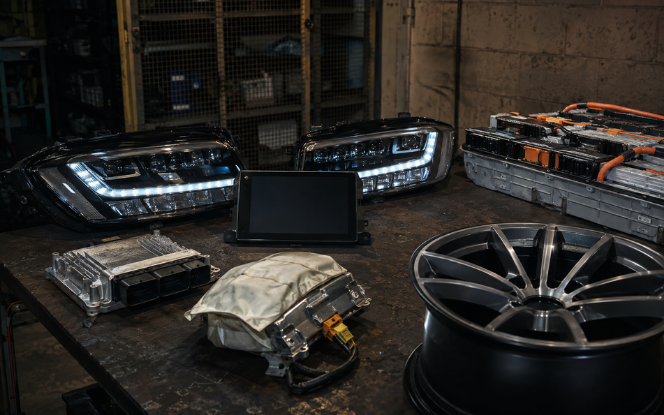
Demand for lower-cost replacement parts, combined with the high retail value of many modern vehicle components, creates an opportunity that organised criminal groups continue to exploit. While some buyers knowingly purchase stolen parts, others may be unaware of their origin, allowing illicit components to enter legitimate supply chains.
A Global Criminal Market
Vehicle crime doesn't stop at the workshop door.
Organised crime groups operate across international borders, and stolen vehicle parts removed in the UK may ultimately be sold thousands of miles away.
Components are often concealed within freight containers, mixed with legitimate cargo or disguised as used vehicle parts before being exported to overseas markets where demand is high.
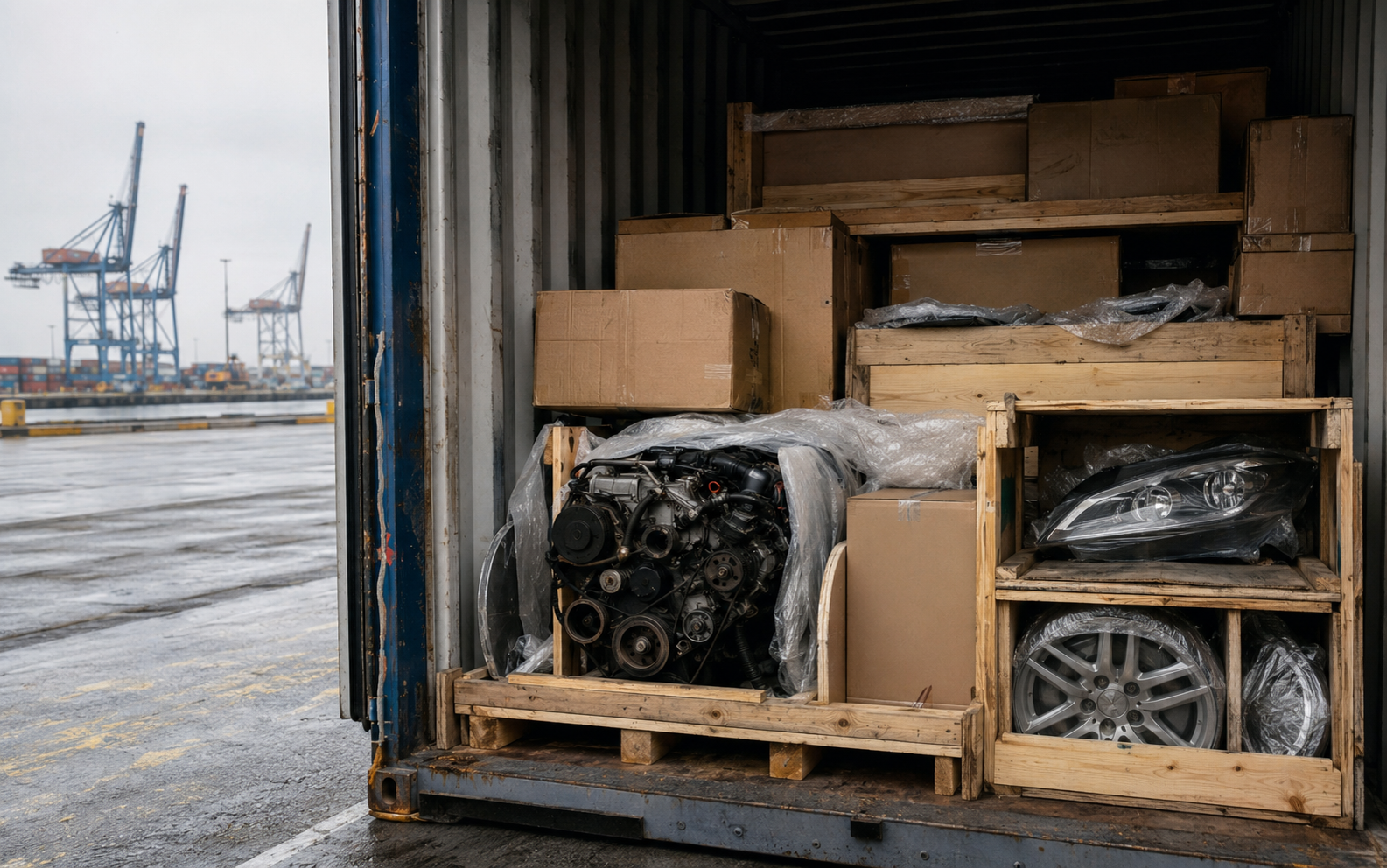
The National Vehicle Crime Intelligence Service (NaVCIS) works alongside police forces, Border Force and other partners to identify stolen vehicles and components destined for export. Specialist vehicle examiners regularly detect stolen vehicles and parts hidden within containers leaving UK ports, but the sheer volume of freight moving through ports makes interception an ongoing challenge.
Why Detection Is So Difficult
Unlike complete vehicles, many individual components cannot easily be traced once removed.
Although manufacturers increasingly use security markings and electronic coding on certain parts, many components still lack unique identifiers that immediately link them to a specific stolen vehicle.
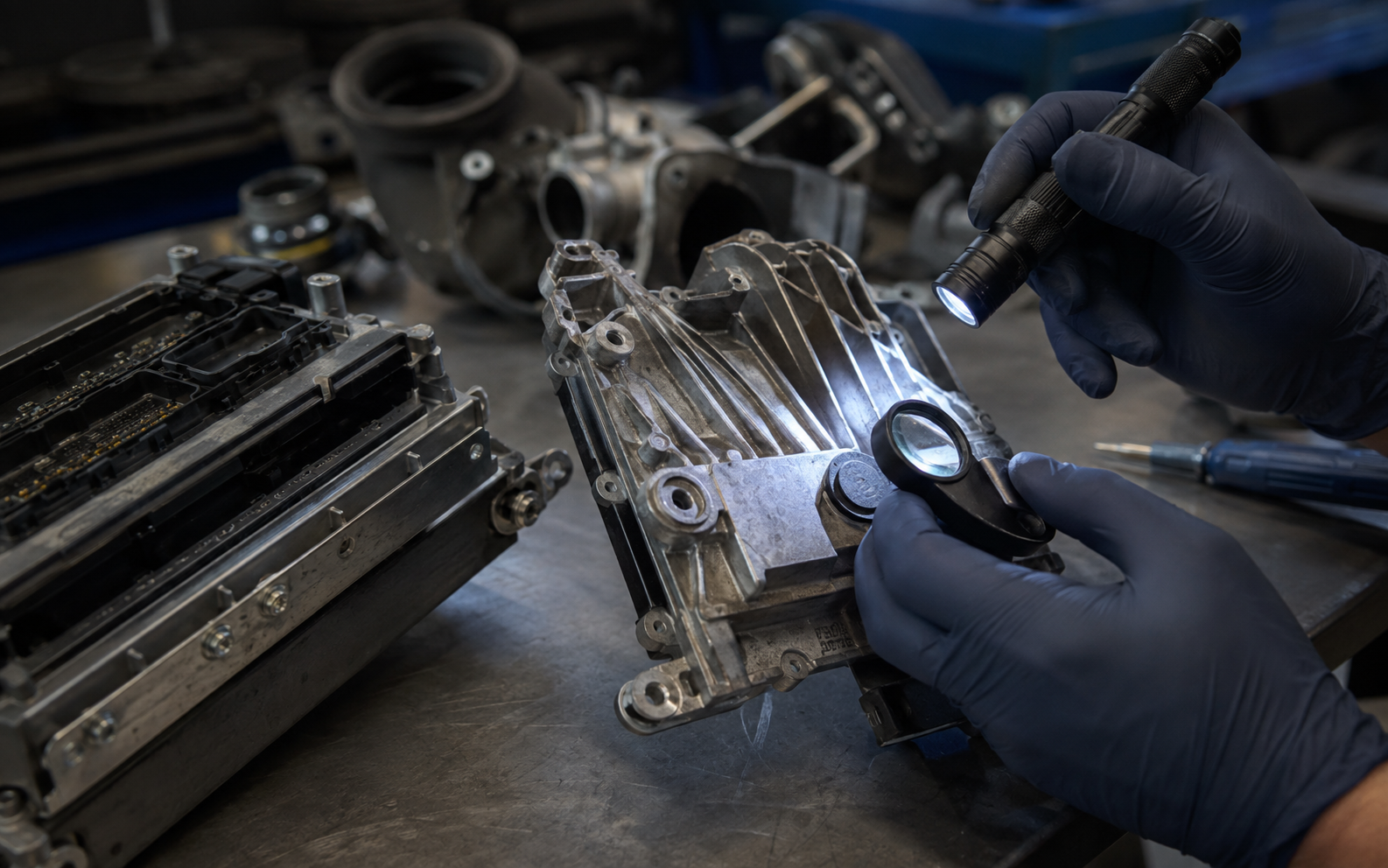
This makes dismantling an effective way for organised criminals to conceal evidence, frustrate investigations and reduce the likelihood of recovery.
The Wider Impact
The dismantling pipeline affects far more than the owner of the stolen vehicle.
The consequences extend well beyond the theft itself and include:
- Increased insurance premiums.
- Longer repair times due to parts shortages.
- Financial losses for insurers and legitimate businesses.
- Greater demand on policing and border enforcement.
- Revenue streams for organised crime groups involved in wider criminality, including fraud, drug trafficking and money laundering.
Every vehicle dismantled for parts helps sustain an illegal market that extends well beyond vehicle theft.
Working Together to Break the Pipeline
Disrupting the dismantling pipeline requires more than recovering stolen vehicles; it demands a coordinated response across law enforcement, government, manufacturers, insurers and the wider automotive industry.
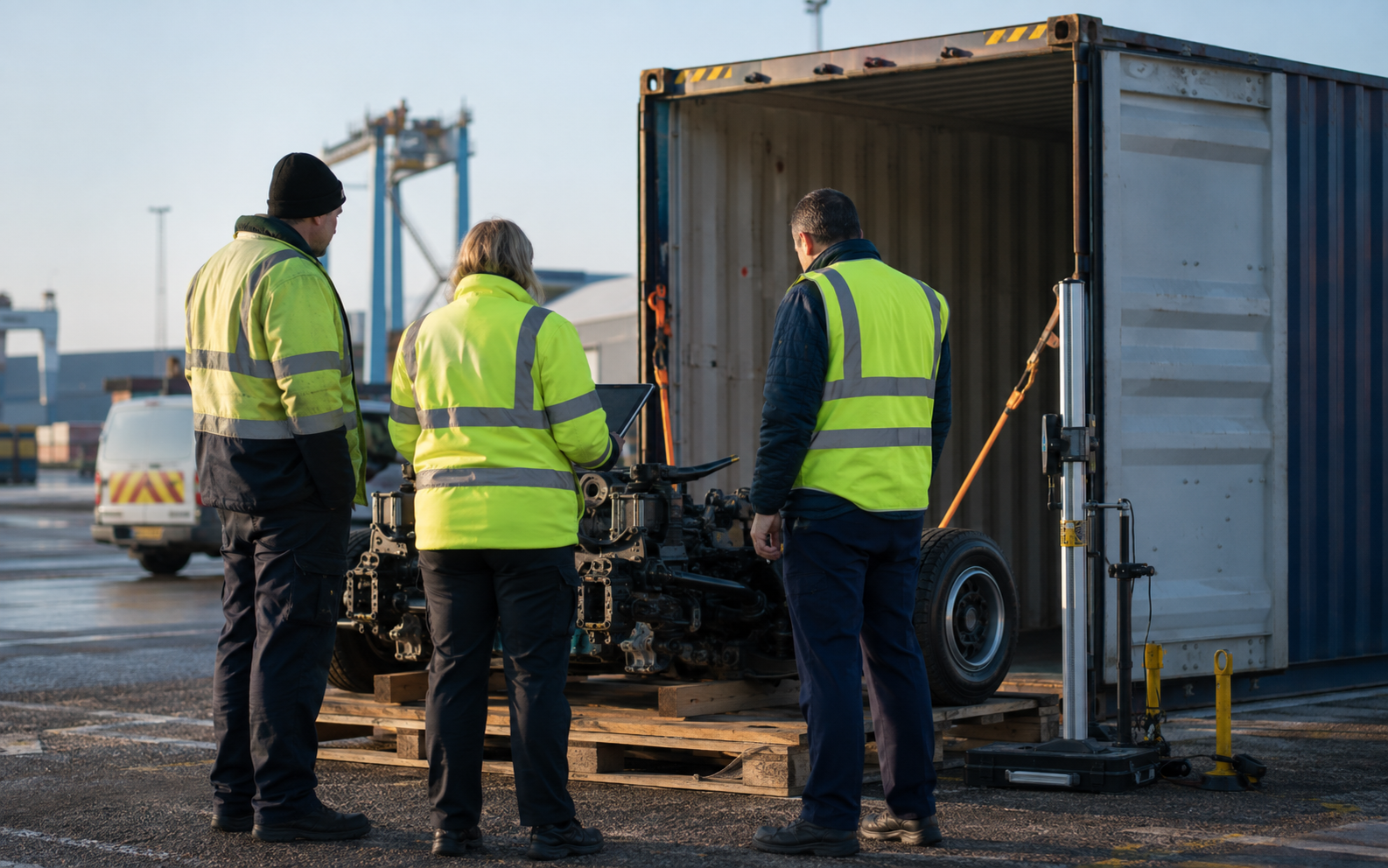
Every organisation involved in the vehicle lifecycle has a role to play. From improving vehicle security and strengthening parts traceability to identifying suspicious trading activity and sharing intelligence, collective action makes it harder for organised crime groups to operate and profit.
Professionals working across the sector are often the first to identify emerging trends, suspicious transactions or changes in criminal methods. Timely intelligence sharing between industry partners, law enforcement and agencies such as the National Vehicle Crime Intelligence Service (NaVCIS) remains essential to identifying dismantling operations, disrupting organised crime groups and protecting the integrity of the UK's vehicle market.
As vehicle technology evolves, so too do the methods used by organised criminals. Staying ahead of these threats requires continued collaboration, innovation and a shared commitment to reducing opportunities for vehicle crime at every stage of the criminal supply chain.
Ultimately, breaking the dismantling pipeline is about more than recovering stolen vehicles. It is about preventing organised crime from profiting, protecting legitimate businesses and building a more resilient vehicle crime prevention network across the UK.