The vehicle registration plate is one of the most important tools available to law enforcement. It helps identify stolen vehicles, link offenders to crime and supports investigations across local, regional and national policing operations.
While theft techniques often attract headlines, another growing threat is the use of ghost plates and cloned number plates to disguise stolen vehicles and undermine the systems used to identify, track and recover them.
Whether used to conceal the identity of a stolen vehicle, frustrate Automatic Number Plate Recognition (ANPR) systems or create false vehicle identities, these illegal plates are increasingly associated with the criminal networks that profit from vehicle theft and wider organised crime.
Their use not only hampers investigations but can also help offenders move, store and dispose of stolen vehicles with a reduced risk of detection.
What Are Ghost Plates?
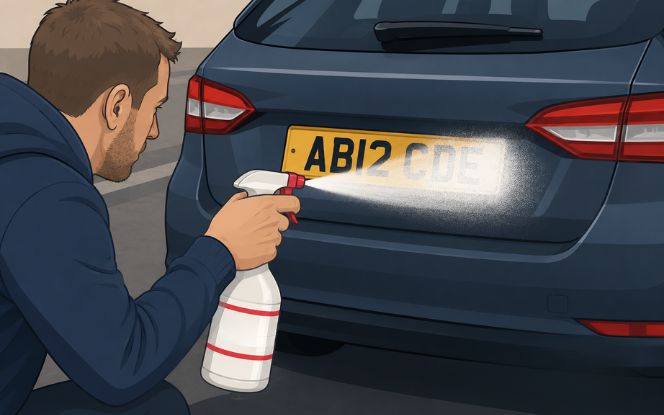
Ghost plates are vehicle registration plates that have been deliberately altered or manufactured to evade detection by cameras and ANPR systems.
To the human eye, these plates often appear legitimate. However, specialist reflective materials, coatings or modifications can prevent cameras from accurately capturing the vehicle registration number.
For organised criminals, this creates an opportunity to move stolen vehicles across the road network while reducing the likelihood of being identified by enforcement systems.
As law enforcement increasingly relies on technology to detect and disrupt vehicle crime, ghost plates represent a deliberate attempt to undermine those capabilities.
What Is Number Plate Cloning?
Number plate cloning involves copying the registration number of a legitimate vehicle and displaying it on another vehicle, often one of the same make, model and colour.
While cloning has historically been associated with avoiding penalties and charges, it also plays a significant role in vehicle-enabled criminality.
Criminals can use cloned registrations to disguise stolen vehicles, making them appear legitimate when viewed by witnesses, captured on CCTV or detected by ANPR systems. This can make it more difficult for investigators to identify the true identity of a vehicle and trace it back to those responsible.
In some cases, cloned registrations are used to support the movement of stolen vehicles before they are exported, dismantled for parts or given a false identity for resale.
Why Organised Crime Groups Use Them
Vehicle theft is increasingly driven by organised criminal networks that view vehicles as high-value commodities.
Modern theft methods can enable criminals to steal vehicles within minutes. However, stealing the vehicle is often only the first stage of the criminal process. Offenders must then transport, store, alter and ultimately profit from the stolen asset.
Ghost plates and cloned registrations help facilitate these activities by creating uncertainty around a vehicle's identity and reducing the effectiveness of systems designed to detect suspicious vehicles.
By concealing a vehicle's true identity, offenders can:
- Reduce the likelihood of a stolen vehicle being identified through ANPR systems.
- Move stolen vehicles between locations with a lower risk of detection.
- Create false identities for vehicles destined for resale.
- Support the activities of wider organised criminal networks.
- Disrupt police investigations and intelligence gathering
These tactics are designed to exploit weaknesses in vehicle identification processes and create additional challenges for law enforcement agencies investigating vehicle crime.
The Impact on Investigations
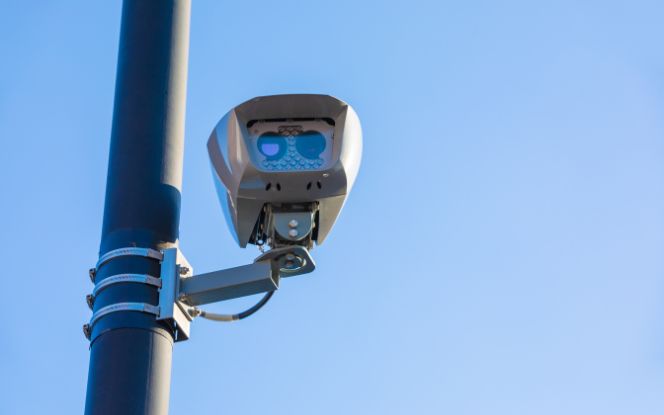
ANPR technology has become a critical tool in the fight against vehicle crime.
Every day, police forces and partner agencies use ANPR data to identify stolen vehicles, track offenders and support investigations into serious and organised crime. The ability to accurately identify a vehicle can be the difference between recovering a stolen asset and losing it to criminal networks.
Ghost plates and cloned registrations undermine this capability.
When a vehicle cannot be accurately identified, investigators may lose valuable opportunities to locate stolen vehicles, identify offenders or understand the movements of criminal groups.
The impact extends beyond individual thefts. Vehicle crime is often linked to wider criminality, including organised crime, fraud and cross-border offending. Anything that reduces the effectiveness of vehicle identification systems ultimately makes it harder to disrupt these networks.
Protecting the Integrity of Vehicle Identity
Tackling ghost plates and cloned registrations requires a collaborative response involving law enforcement, government, vehicle manufacturers, registration plate suppliers and the wider automotive sector.
Protecting the integrity of vehicle identity is essential if the UK is to remain effective in preventing, detecting and investigating vehicle crime.
This includes:
- Strengthening compliance within the registration plate supply chain.
- Supporting enforcement activity targeting the manufacture, sale, distribution and use of illegal registration plates and products designed to obscure or interfere with vehicle identification systems.
- Improving public awareness of number plate cloning and ghost plates.
- Sharing intelligence between policing, industry and regulatory partners.
- Identifying emerging threats and vulnerabilities that can be exploited by criminals and organised crime groups.
Working Together Against Vehicle Crime
The National Vehicle Crime Reduction Partnership (NVCRP) was established to bring together policing, government and industry to tackle vehicle crime through collaboration, intelligence sharing and coordinated action.
Ghost plates and cloned registrations are not simply a road traffic issue. They represent a threat to the systems used to identify stolen vehicles, investigate offences and disrupt organised criminality.
As criminals continue to seek new ways to conceal their activities, maintaining confidence in vehicle identification systems remains a critical part of the UK's response to vehicle crime.
By working together to address the misuse of registration plates, we can help make it harder for criminals to profit from stolen vehicles and strengthen the collective effort to reduce vehicle crime across the UK.