As automotive technology advances, so too do the methods used by car thieves. Today’s thieves aren’t just relying on traditional methods; they’re using more advanced techniques and actively working to block tracking and recovery efforts.
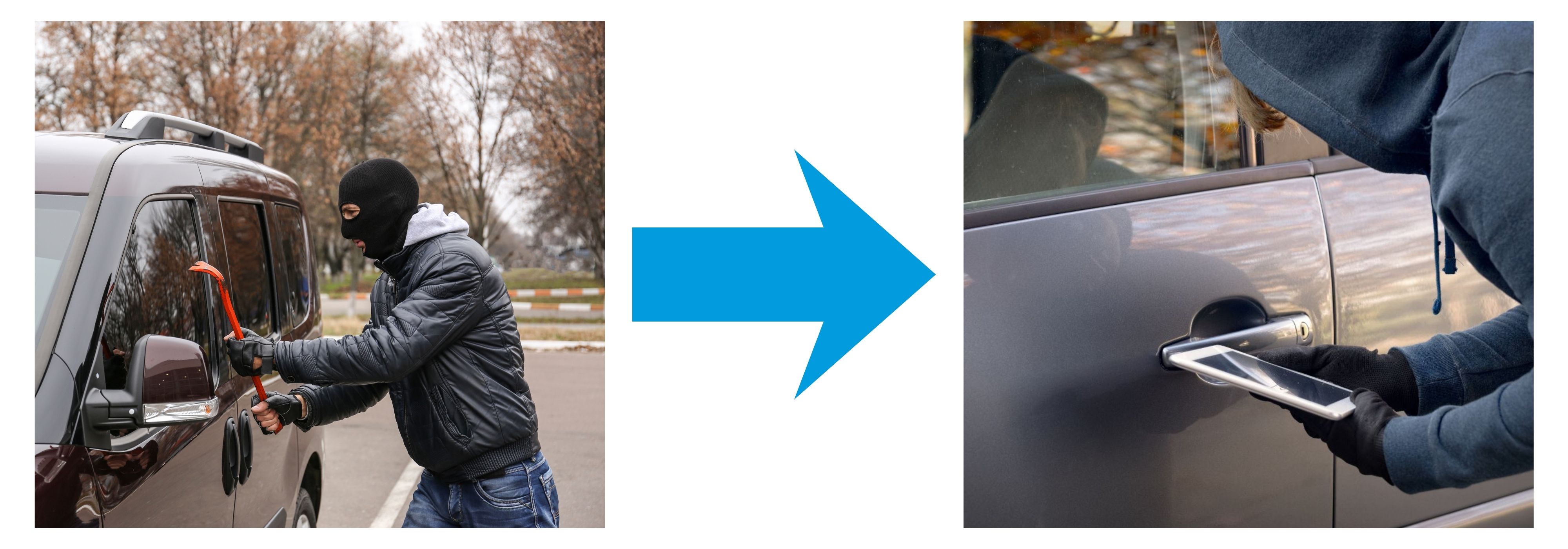
From exploiting keyless entry systems to targeting vehicle tracking devices, these tactics point to a more organised and tech-savvy approach.
Understanding how these methods work is crucial if we want to stay ahead, prevent theft, and improve the chances of recovering stolen vehicles.
The shift towards technology-led vehicle theft
Advances in vehicle design have introduced new vulnerabilities. Keyless entry systems, while convenient, have created opportunities for criminals to exploit wireless signals.
Relay attacks remain a common method. By capturing and extending the signal from a key fob inside a property, offenders can unlock and start a vehicle without needing physical access to the key. This approach leaves little evidence and can be carried out quickly.
More sophisticated techniques are also emerging. One example is a Controller Area Network (CAN) bus attack. The CAN bus is the system that allows different electronic parts of a vehicle, like the engine, locks and alarms, to communicate with each other. By accessing this internal network, criminals can send their own signals to the car, allowing them to unlock doors or bypass immobilisers in a short space of time.
These methods highlight a growing level of technical knowledge within organised groups.
Disruption of tracking systems and vehicle movement
Tracking technology has long played an important role in vehicle recovery. However, these systems are increasingly being challenged.
Signal jamming is now widely used. Devices designed to block GPS and mobile signals can prevent a tracker from communicating its location, creating a delay during which a stolen vehicle can be moved and concealed. Early identification and a quick response are critical, as delays in locating a vehicle can significantly reduce the likelihood of recovery.
Criminals are also using detection equipment to locate tracking devices. By scanning for radio frequency emissions, they can identify and remove trackers before a vehicle is taken to a secondary site.
Stolen vehicles are often moved to locations where tracking signals are restricted or unavailable. Industrial units, underground parking areas and shipping containers can all limit signal transmission. These environments provide time for offenders to search for tracking devices, alter vehicle identities and prepare vehicles for onward movement.
Vehicle theft is increasingly linked to organised criminal activity. Once a vehicle has been secured, it may be moved across regions or prepared for export. The speed of this process, combined with efforts to disrupt tracking, reduces the likelihood of recovery. Even vehicles fitted with modern systems can be difficult to trace if early intervention is prevented.
Implications for prevention
These developments highlight the need for a layered approach to vehicle security, where multiple measures are used together rather than relying on a single system. As offending methods become more technical, individual solutions can be bypassed or disrupted.
Effective strategies include the use of multiple tracking solutions, systems capable of identifying signal interference, and physical security measures such as steering locks or other visible deterrents. These measures can increase the time and effort required to steal a vehicle and may discourage opportunistic activity.
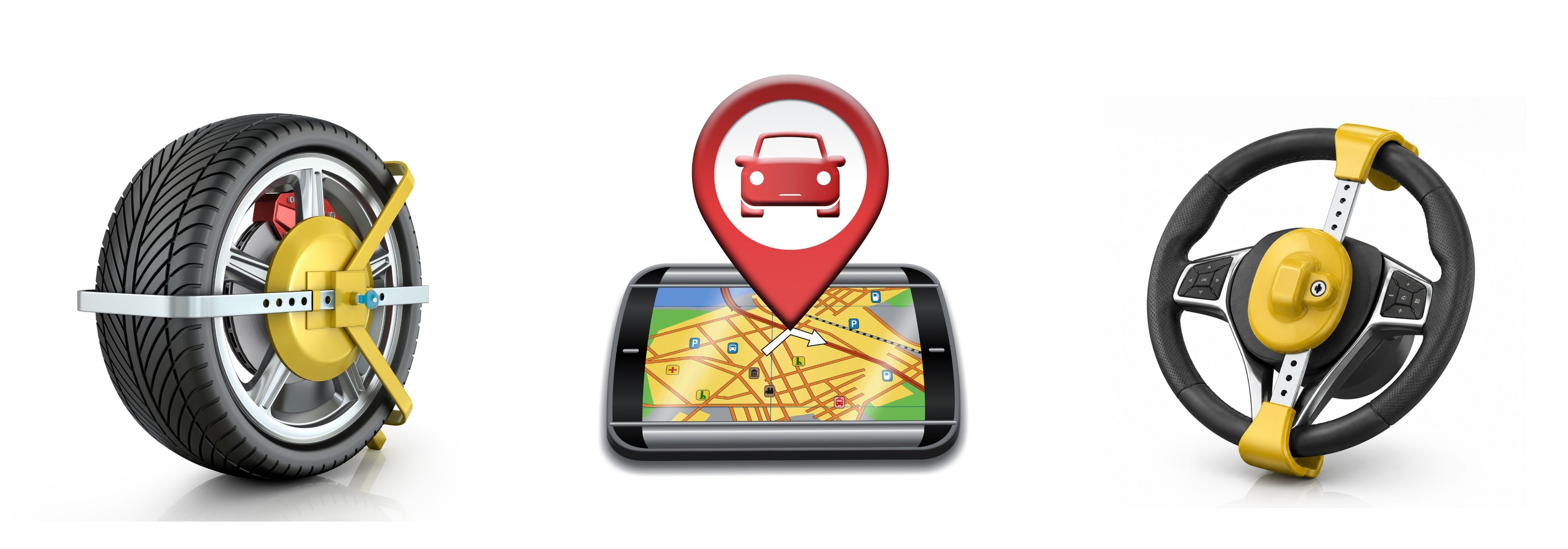
Consideration should also be given to how vehicle systems are protected at a design level, particularly access to internal networks. This includes how access to these systems is controlled and how they are protected against unauthorised interaction. Improving resilience at this level will be increasingly important as methods continue to evolve.
Conclusion
Vehicle theft continues to evolve alongside advances in technology, with offenders adopting increasingly sophisticated and organised methods. Manufacturers are continually working to improve vehicle security, developing new systems and strengthening existing ones to better protect against emerging threats.
Tracking systems remain a vital part of the response, playing a key role in supporting vehicle recovery and ongoing investigations. However, as offending methods continue to evolve, it’s clear that the most effective approach is a layered one, combining tracking with additional security measures, early intervention and strong intelligence sharing.
Addressing this challenge will require continued collaboration across industry, law enforcement and organisations such as NVCRP. By focusing on prevention, resilience and rapid response, we can strengthen our ability to deter theft and improve recovery outcomes in an increasingly complex landscape.