The moment a car is stolen, it does not simply disappear; it enters a fast-moving and often highly organised chain of events. Stolen vehicles are typically absorbed into a wider criminal ecosystem, where speed, coordination and demand dictate their fate.
In some cases, the journey is short and chaotic. A stolen vehicle may be used almost immediately in further crime, acting as transport for burglary, drug distribution or other offences, before being abandoned. These cars are sometimes recovered within hours or days, found parked a few streets away or discarded in isolated areas. Even then, the vehicle may have been driven aggressively, tampered with, or linked to additional crimes, leaving lasting consequences for the owner.
For other vehicles, the process is far more calculated. One of the most concerning outcomes is cloning, where a stolen car is given the identity of a legitimate vehicle. Its number plates are replaced, its history is disguised, and it is quietly reintroduced to the market. To an unsuspecting buyer, it can appear entirely genuine. This allows criminals to turn theft into profit with alarming efficiency, while creating further victims in the process.
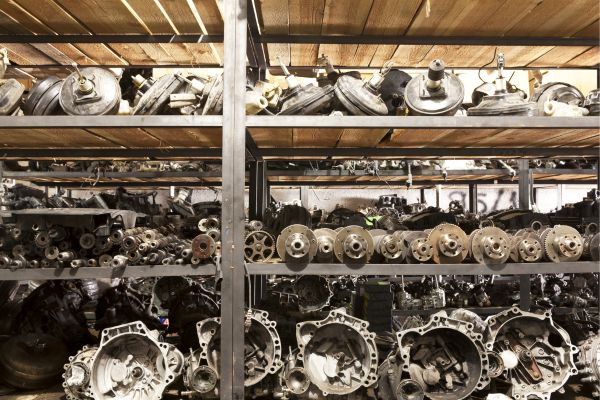
Some vehicles are dismantled almost as soon as they are taken. Hidden away in illicit workshops known as chop shops, they are stripped down piece by piece, engines, gearboxes, doors and electronic components all removed and sold separately. Once broken apart, the vehicle effectively ceases to exist, its parts scattered across different locations and, in some cases, across borders. This route is particularly difficult to trace and remains a persistent challenge in tackling vehicle crime.
For higher-value cars, the timeline can be even more urgent. These vehicles are often targeted to order with for export in mind. Within hours, they may be transported across the country and moved through ports, concealed among legitimate shipments. Once overseas, recovery becomes significantly more complex, highlighting the role of organised international networks in vehicle crime.
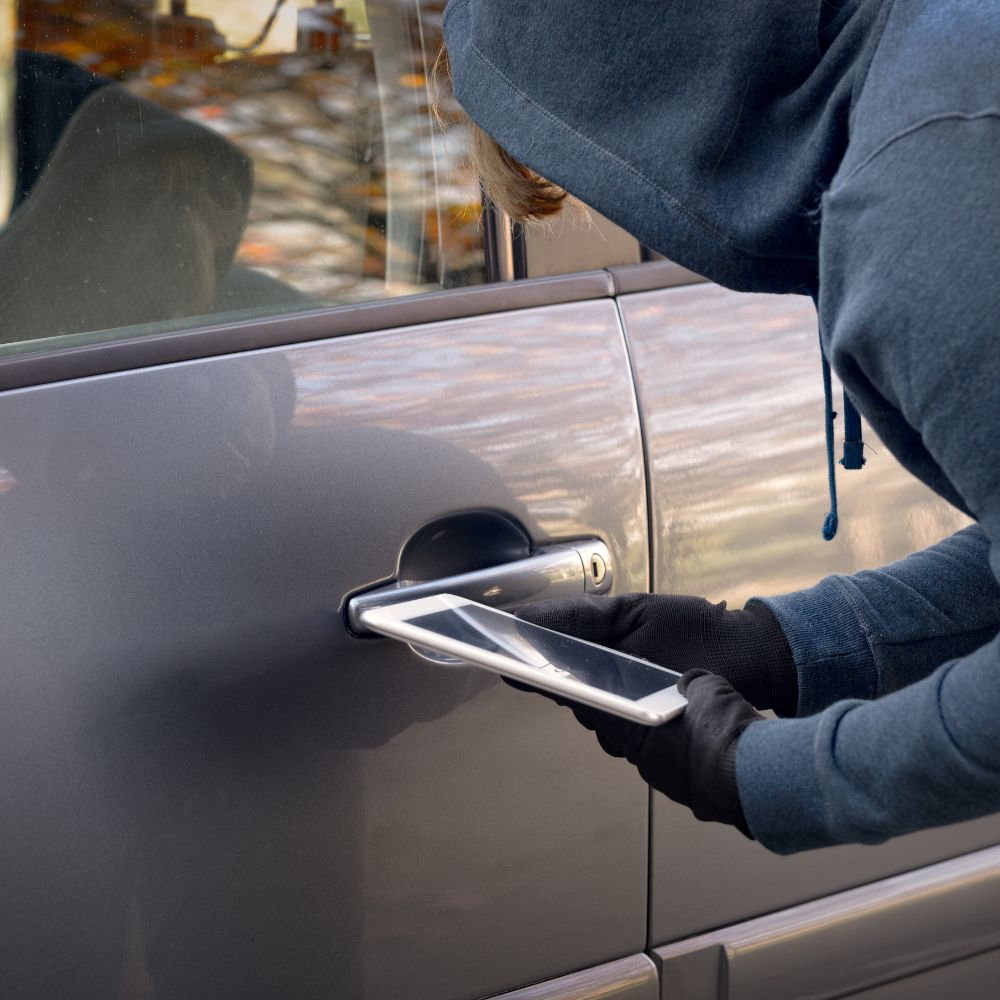
Increasingly, vehicles are stolen without a sound. Keyless theft, relay attacks and electronic manipulation mean that a car can be unlocked and driven away in seconds, often without any visible sign of forced entry. By the time the owner realises, the vehicle may be long gone.
While some stolen vehicles are recovered, many are not, particularly if they have already entered organised supply chains. The likelihood of recovery decreases the longer a vehicle remains missing, especially where it has been moved, altered, or broken down.
Vehicle theft is no longer a simple crime of opportunity. It is structured, strategic and, in many cases, highly professional. Prevention remains one of the most effective ways to disrupt this activity. Physical deterrents, secure key storage and layered security measures can make vehicles significantly less attractive to criminals.
Once a car is stolen, its journey is largely out of the owner’s hands. Understanding where it might go and how quickly it can move reinforces the importance of staying one step ahead.
Behind every stolen vehicle is a much bigger picture, and that picture is being actively reshaped. Across the UK, a more coordinated and determined response is taking hold, bringing together policing, government, industry and manufacturers to tackle vehicle crime together. This collaboration is strengthening intelligence, improving how information is shared, and ensuring that prevention and enforcement work hand in hand. By focusing on the full lifecycle of vehicle crime, from theft to disposal, this approach is creating a more resilient and informed system that is better equipped to respond to an evolving threat.
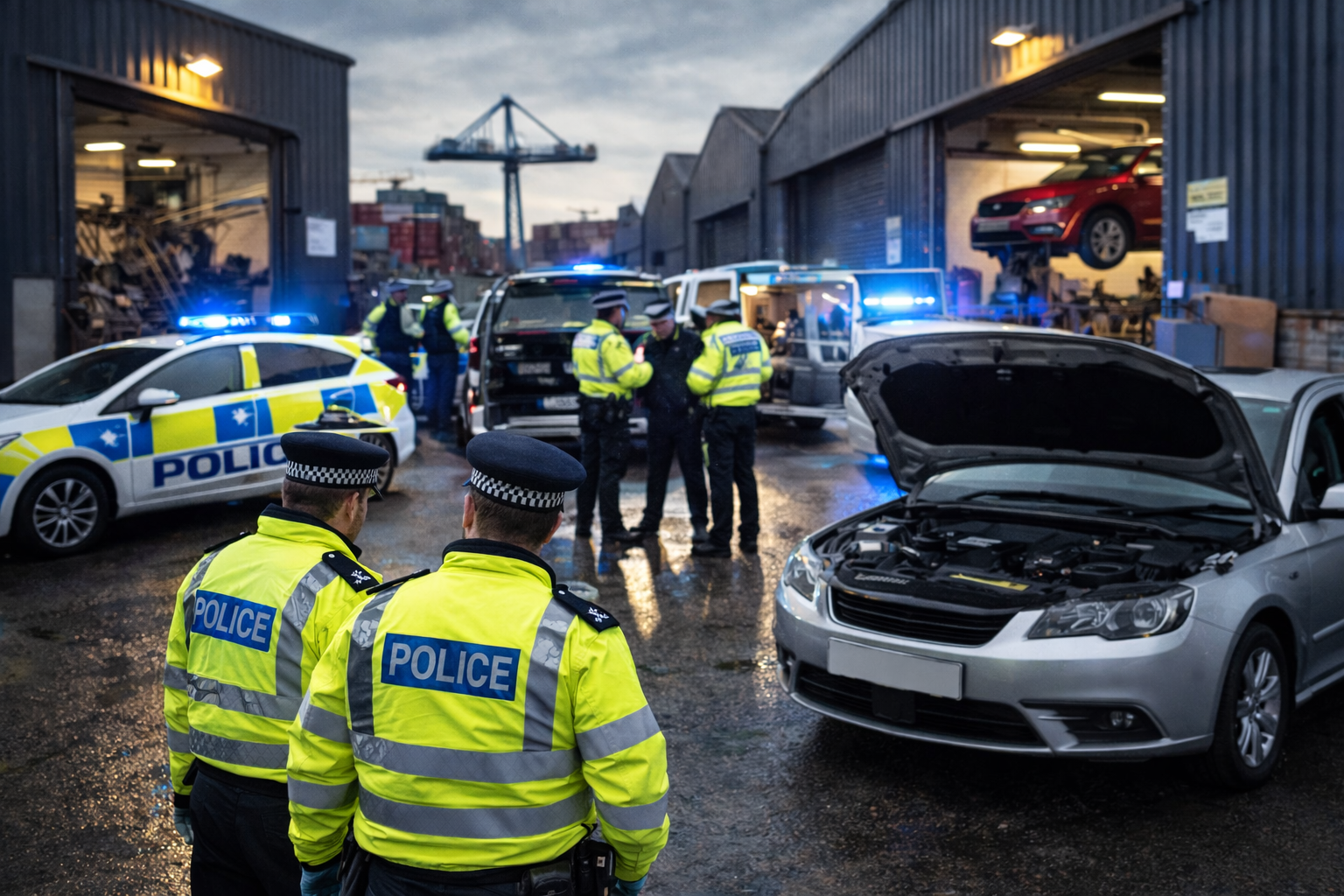
This progress is underpinned by a clear and ambitious national strategy developed by the NVCRP with key partners, focused on staying ahead of increasingly sophisticated criminal methods. By targeting organised crime groups, strengthening protections at key points such as ports, and investing in technology and specialist capabilities, the response is becoming more proactive and far-reaching.
With partners working collectively to reduce opportunities for criminals, disrupt networks at scale, and protect the public, there is a shared determination to make the UK a far more challenging environment for those who seek to profit from it.
Take a look at the NVCRP Strategy: National Vehicle Crime Strategy - NVCRP